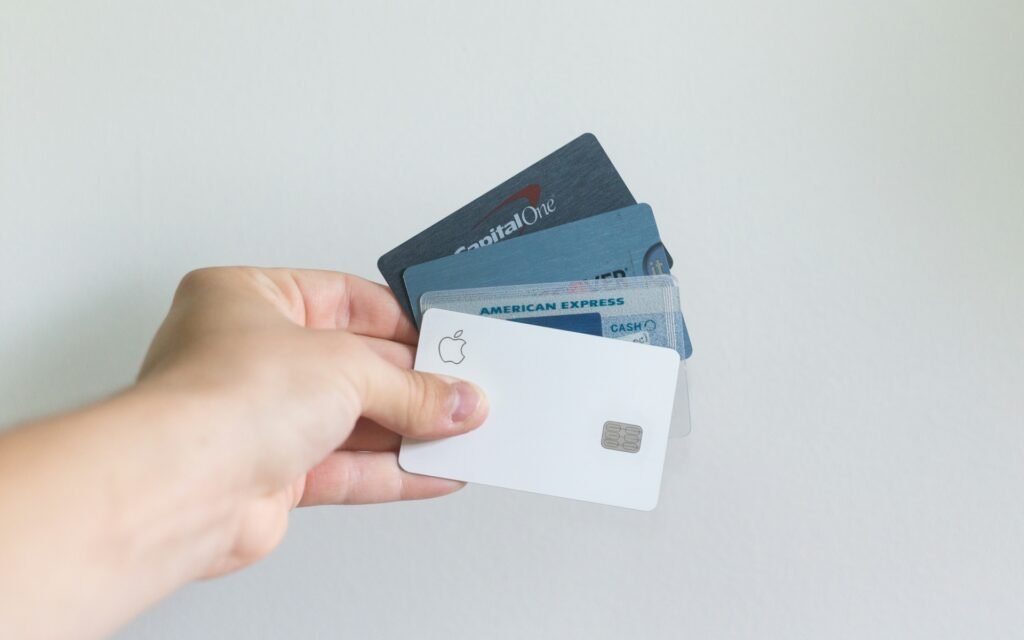
ViewSonic Corporation sent data breach notices dated September 30, 2026, warning that customer names, credit or debit card numbers, security codes, and expiration dates may have been exposed. The exact number of affected customers and how the breach happened have not been disclosed. Affected individuals should immediately review card statements, consider a replacement card, and enroll in the free 24-month credit monitoring ViewSonic is offering within 90 days.
| Company | ViewSonic Corporation |
|---|---|
| Industry | Retail |
| Data Types Exposed | Customer Names, Credit or Debit Card Numbers, Card Security Codes, Card Expiration Dates |
| People Affected | Not Publicly Disclosed |
| Attack Method | Unspecified/Unauthorized Access |
| Regulators Notified | Not Publicly Disclosed |
Were you affected by this breach?
You may be owed compensation.
Data breach victims can recover money for identity-theft losses, out-of-pocket costs, wasted time, and the ongoing risk of fraud — usually with no upfront cost, and no fee unless you win.
Check if you qualify — free reviewWhat Happened in the ViewSonic Data Breach?
ViewSonic Corporation recently began notifying customers about a data security incident. The company sent letters dated September 30, 2026, informing recipients that some of their personal information may have been exposed. ViewSonic is a California-based technology company known for monitors, displays, and projectors sold to households, schools, and businesses.
According to the notification letter, ViewSonic has not disclosed when the incident actually began or when it was first discovered internally. This means the public timeline is limited to the date printed on the notice itself. As a result, affected customers only know that the company decided to act and communicate around late September 2026.
The notice also does not explain how the information was accessed or by whom. ViewSonic has not stated whether the issue involved a hacked website checkout, a compromised payment vendor, or unauthorized access to stored records. Because the letter is described as a sample notification filed with regulators, specific technical details remain sparse. However, the company confirmed that affected individuals’ names and payment card details were involved.
ViewSonic filed a copy of its notification with the Massachusetts Attorney General’s office. This filing is often required when a company’s breach affects residents of that state. The filing format, however, did not include forensic findings or a root-cause explanation for how the exposure occurred.
Who was affected?
While ViewSonic has not published an exact count of affected people, the letters indicate that the incident may affect customers who provided payment information to the company. This likely includes individuals who purchased ViewSonic products directly, though the notice does not specify whether business customers, consumers, or both groups are involved.
Because ViewSonic sells to schools, businesses, and everyday consumers, the affected population could span a wide range of backgrounds. For example, a parent buying a monitor for home use and a school district purchasing projectors could both potentially be included. Since no public number has been released, individuals should watch for a direct letter to confirm their own involvement.
The geographic scope also remains unclear. ViewSonic operates nationally and internationally, so this incident is not necessarily limited to one region. In addition, the company has not stated whether minors’ information was involved, though school purchases sometimes include staff or administrator payment details rather than student data.
What Information Was Potentially Exposed?
ViewSonic’s notification describes a narrow but sensitive set of exposed data categories. The combination of details involved is considered especially risky because it includes everything needed to make unauthorized purchases.
- Customer names
- Credit or debit card numbers
- Card security codes (CVV)
- Card expiration dates
This type of exposure creates immediate risk because thieves do not need the physical card to use it. With a card number, security code, and expiration date together, fraudulent purchases can be made online or over the phone. Because of this, banks and card networks treat this kind of exposure as high priority.
In addition to direct card fraud, stolen card data is frequently resold on underground marketplaces. Criminals often test stolen numbers with small transactions before attempting larger purchases. As a result, affected individuals may not notice suspicious activity right away, and fraud can surface weeks or months later rather than immediately.
What is the company doing?
ViewSonic says it takes the incident seriously and is reviewing its internal policies and procedures. The company has not detailed what specific technical changes it is making, but it has outlined steps to help affected individuals protect themselves.
Specifically, ViewSonic is offering 24 months of complimentary credit monitoring and identity protection through Cyberscout, a TransUnion company. Enrollment instructions and a signup code are included in the notification letters. However, individuals must enroll within 90 days of the letter date to receive this protection.
ViewSonic also established a dedicated assistance line so affected customers can ask questions about the incident. The company additionally filed notice of this incident with the Massachusetts Attorney General, as required under state breach notification law. This filing confirms that ViewSonic has taken formal steps to notify at least one state regulator about the exposure.
What Should Affected Individuals Do?
Monitor Your Card Statements Closely
Anyone who has purchased from ViewSonic recently should review card statements line by line. Look specifically for small, unfamiliar charges, since criminals often test stolen cards with tiny purchases first.
Because fraud can appear well after the initial theft, this review should continue for several months, not just the first few weeks. If you spot anything unusual, report it to your card issuer immediately so they can investigate and reverse unauthorized charges.
Consider Requesting a Replacement Card
Since the exposed data reportedly includes the card number, expiration date, and security code, consider asking your bank for a new card number entirely. This removes the risk tied to the specific exposed details.
While replacing a card can be inconvenient, it is often the most reliable way to stop misuse of a specific stolen number. Be sure to update any automatic payments tied to the old card once the new one arrives.
Enroll in Free Credit Monitoring
ViewSonic is offering 24 months of credit monitoring and identity protection through Cyberscout at no cost. This service can help detect new accounts opened fraudulently in your name, even though it will not stop charges on an existing card.
Because enrollment must happen within 90 days of the letter date, affected individuals should act promptly. Follow the instructions and signup code included in your personal notification letter to activate this protection.
Check Credit Reports and Consider a Freeze
In addition to any monitoring service, check your credit reports for free at annualcreditreport.com. This lets you look for unfamiliar accounts or inquiries that could signal identity theft.
For stronger protection, consider placing a fraud alert or credit freeze with Equifax, Experian, and TransUnion. A freeze makes it harder for criminals to open new credit lines using your stolen information, though it will not prevent misuse of an exposed card number directly.
Report Suspected Fraud Promptly
If you notice unauthorized charges or signs of identity theft, report them to your bank right away. You should also file a report with the Federal Trade Commission and your state Attorney General’s office.
Documenting fraud quickly creates a paper trail that can help resolve disputes faster. It may also support any future legal claim if you decide to speak with a data breach attorney about your options for compensation.
Get a Free Case Review
Tell us how this breach affected you. A data breach attorney will review your situation at no cost and with no obligation — it takes about two minutes.