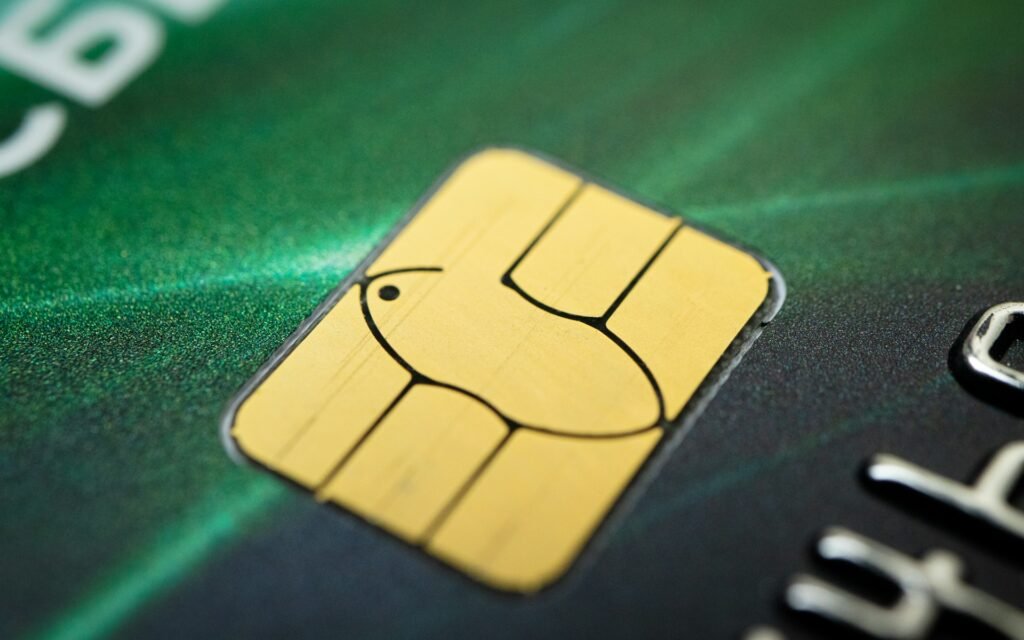
Harbor Fish Market filed a data breach notification with the Vermont Attorney General in September 2026, confirming exposure of financial account codes and credit/debit account information. The number of affected individuals has not been publicly disclosed. Affected customers should monitor bank statements, consider a credit freeze, and watch for phishing attempts targeting exposed payment data.
| Company | Harbor Fish Market |
|---|---|
| Industry | Retail |
| Data Types Exposed | Financial Account Codes, Credit and Debit Account Information |
| People Affected | Not Publicly Disclosed |
| Attack Method | Unspecified/Unauthorized Access |
| Regulators Notified | Vermont Attorney General |
Were you affected by this breach?
You may be owed compensation.
Data breach victims can recover money for identity-theft losses, out-of-pocket costs, wasted time, and the ongoing risk of fraud — usually with no upfront cost, and no fee unless you win.
Check if you qualify — free reviewWhat Happened in the Harbor Fish Market Data Breach?
Harbor Fish Market recently filed a formal data breach notification with the Vermont Attorney General. The filing confirms that unauthorized parties accessed sensitive financial data tied to customer accounts. This disclosure, submitted in September 2026, is the first official confirmation that customer payment details were compromised.
According to the notification, the exposed information includes financial account codes along with credit and debit account details. The exact method used by the attacker has not been publicly disclosed. Similarly, the specific date when the intrusion occurred has not been made public.
Because the notification comes from a regulatory filing rather than a detailed public statement, many facts remain limited. However, the filing itself confirms that Harbor Fish Market investigated the incident before notifying regulators. As a result, affected individuals now have official confirmation that their financial data may be at risk.
Who was affected?
The individuals affected by this breach appear to be customers who used credit or debit cards at Harbor Fish Market. Because the exposed data includes financial account codes and card information, this points to a breach involving payment processing systems. The exact number of affected individuals has not been publicly disclosed.
It is not yet clear whether employees or other groups beyond customers were impacted. In addition, the geographic scope of affected individuals has not been specified in the filing. Since the notification was filed with Vermont’s Attorney General, at least some Vermont residents are involved. However, customers in other states may also be affected, depending on where Harbor Fish Market operates or ships goods.
What Information Was Potentially Exposed?
The Vermont filing identifies two specific categories of exposed data. These categories relate directly to how customers pay for goods or services. Below is a summary of what was confirmed in the notification.
- Financial account codes
- Credit and debit account information
This type of exposure creates a real risk of financial fraud. For example, criminals who obtain card numbers or account codes can attempt unauthorized purchases. In addition, stolen financial details are often bundled and sold on dark web marketplaces, increasing the chance of misuse by multiple bad actors.
Furthermore, even partial financial data can be dangerous in the wrong hands. Fraudsters sometimes combine exposed account codes with other publicly available information to impersonate victims. This means affected customers should treat the exposure seriously, even without confirmation that Social Security numbers were involved.
What is the company doing?
Harbor Fish Market responded to the incident by filing a formal breach notification with the Vermont Attorney General. This filing indicates the company investigated the exposure and identified the categories of data involved. Filing this notice is a required step under Vermont’s breach notification law when residents’ financial data is compromised.
Beyond the regulatory filing, specific remediation steps have not been publicly disclosed. It is not yet known whether Harbor Fish Market is offering credit monitoring or identity protection services to affected customers. In addition, Harbor Fish Market filed formal notification with the Vermont Attorney General, fulfilling its legal disclosure obligations under state law.
What Should Affected Individuals Do?
Monitor Your Credit Reports Closely
Affected individuals should review their credit reports regularly for signs of unauthorized activity. This includes checking for new accounts, unfamiliar inquiries, or unexpected changes to your credit profile. You can request free credit reports from each of the three major bureaus.
Because financial account data was exposed, ongoing vigilance matters more than a single check. As a result, consider spacing out your free reports throughout the year to maintain continuous monitoring. This approach helps you catch suspicious activity early, before it escalates into a larger problem.
Consider a Fraud Alert or Credit Freeze
Given that financial account information was exposed, placing a fraud alert on your credit file is a smart precaution. A fraud alert requires lenders to verify your identity before approving new credit in your name. This extra step can stop fraudsters from opening accounts using your stolen information.
For stronger protection, you may also consider a full credit freeze. A credit freeze restricts access to your credit file entirely, making it much harder for identity thieves to open new accounts. Although a freeze requires extra steps when you apply for credit yourself, it offers the highest level of protection currently available.
Watch for Phishing and Scam Attempts
After a breach involving financial data, scammers often follow up with phishing emails or text messages. These messages may impersonate Harbor Fish Market, your bank, or a card issuer. Because the goal is to trick you into revealing more information, always verify the sender before clicking any links.
Instead of clicking links in unexpected messages, go directly to the official website or call the company using a verified number. This simple habit reduces your risk significantly. In addition, never provide account passwords or card numbers in response to unsolicited requests.
Review Bank and Card Statements Regularly
Because credit and debit account information was involved, checking your statements frequently is essential. Look for small, unfamiliar charges, since fraudsters sometimes test stolen card data with tiny purchases first. If you spot anything suspicious, report it to your bank immediately.
Many banks offer real-time transaction alerts through mobile apps. Enabling these alerts can help you catch fraudulent charges within minutes rather than weeks. This proactive step is especially useful for anyone who shopped at Harbor Fish Market around the time of the breach.
Consult a Data Breach Attorney
If you believe your financial information was compromised in this breach, consulting a data breach attorney can help clarify your options. An attorney can review whether you qualify for compensation or participation in a potential class action. Many offer free initial consultations to evaluate your case.
Because breach notification laws vary by state, professional guidance can help you understand any applicable deadlines. Acting sooner rather than later is generally wise, since claims processes often have strict filing windows. A free case evaluation costs nothing and may reveal options you were not aware of.
Get a Free Case Review
Tell us how this breach affected you. A data breach attorney will review your situation at no cost and with no obligation — it takes about two minutes.
More Information
View the public data breach notification listing from Vermont Attorney General