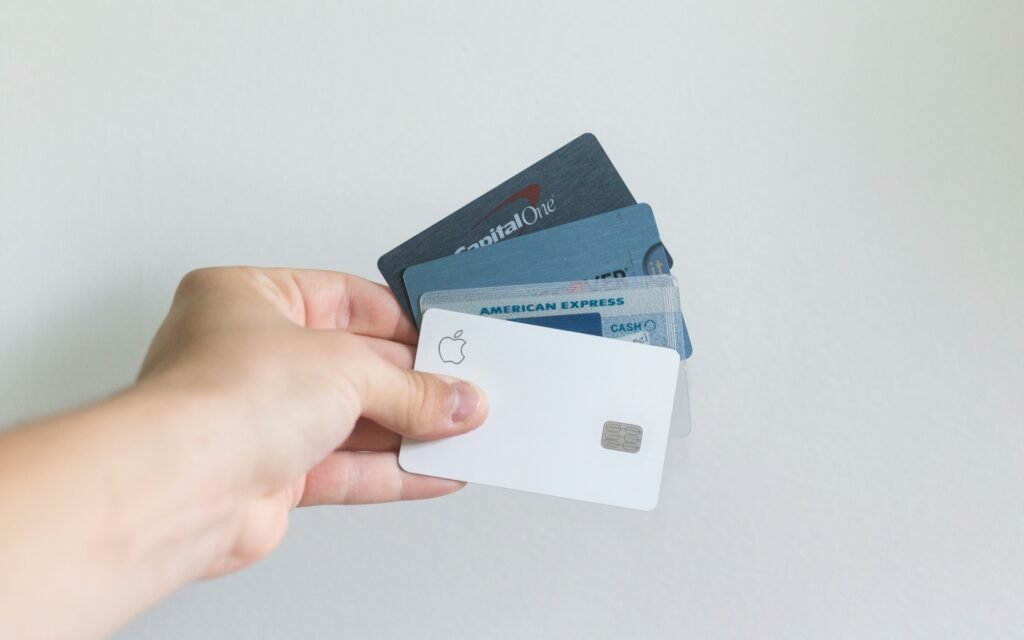
Nordace Limited notified the Vermont Attorney General in October 2026 that a data breach exposed customers’ financial account codes and credit and debit account information. The number of people affected has not been publicly disclosed. Affected individuals should monitor bank and credit statements closely and consider placing a fraud alert or credit freeze right away.
| Company | Nordace |
|---|---|
| Industry | Retail |
| Data Types Exposed | Financial Account Codes, Credit and Debit Account Information |
| People Affected | Not Publicly Disclosed |
| Attack Method | Unspecified/Unauthorized Access |
| Regulators Notified | Vermont Attorney General |
Were you affected by this breach?
You may be owed compensation.
Data breach victims can recover money for identity-theft losses, out-of-pocket costs, wasted time, and the ongoing risk of fraud — usually with no upfront cost, and no fee unless you win.
Check if you qualify — free reviewWhat Happened in the Nordace Data Breach?
Nordace Limited, doing business as Nordace, recently disclosed a data breach that exposed sensitive payment-related information belonging to its customers. The company filed a formal notification with the Vermont Attorney General in October 2026, confirming that unauthorized parties may have accessed financial data tied to customer accounts. This filing is how the public first learned of the incident.
According to the notification, the breach involved financial account codes along with credit and debit account information. As a result, customers who made purchases or stored payment details with Nordace may have had their financial data exposed. The exact method the attackers used to gain access has not been publicly disclosed. Similarly, the precise date the breach was discovered has not been released.
Because Nordace operates as a retail business handling online payments, incidents like this often involve compromised checkout systems or unauthorized access to stored payment records. However, Nordace has not released further forensic details beyond what was shared in its regulatory filing. The company’s notification to Vermont indicates it has taken the matter seriously enough to begin a formal compliance process. Additional findings may emerge as the investigation continues.
Who was affected?
The breach affects individuals who provided financial information to Nordace, likely through online purchases or account registrations. This may include customers across the United States, since the company filed notice with a state attorney general’s office that tracks breaches affecting its residents. Other states may also be affected, even though only the Vermont filing has been confirmed so far.
The exact number of individuals affected has not been publicly disclosed. In addition, Nordace has not clarified whether the breach also affected employees or only customers. Given that the exposed categories relate specifically to payment information, it is reasonable to assume the affected population consists mainly of paying customers rather than internal staff. Still, this has not been confirmed.
What Information Was Potentially Exposed?
The Vermont filing identifies two specific categories of exposed data. These categories relate directly to how customers pay for goods and services through Nordace’s platform. Because this information is financial in nature, the risk to affected individuals is significant.
- Financial account codes
- Credit and debit account information
When financial account codes and card details are exposed, affected individuals face a heightened risk of unauthorized charges. Fraudsters can use this information to make purchases, open new lines of credit, or sell the data to other criminals. As a result, victims may notice unfamiliar transactions on their statements in the weeks or months following the breach.
In addition to direct financial fraud, exposed payment data can be combined with other leaked information to build a fuller profile of a victim. This increases the risk of more sophisticated scams, including phishing messages designed to look like they come from a bank or payment processor. Because of this, affected individuals should treat any unexpected financial communication with caution.
What is the company doing?
Nordace responded to the breach by filing a formal notification with the Vermont Attorney General’s office in October 2026. This step is required under state data breach notification laws when residents’ financial information may have been compromised. The filing confirms that Nordace is aware of the incident and has begun addressing its legal obligations.
Beyond the regulatory filing, Nordace has not publicly detailed additional remediation steps, such as credit monitoring offers or system security upgrades. The company also filed notice with the Vermont Attorney General, which is now a matter of public record. Affected individuals should watch for direct notification letters from Nordace, which typically include specific instructions and any protective services being offered.
What Should Affected Individuals Do?
Monitor Your Credit Reports
Affected individuals should request a copy of their credit report and review it closely for unfamiliar accounts or inquiries. You can get free reports from the three major credit bureaus through AnnualCreditReport.com. Doing this regularly makes it easier to catch fraudulent activity early.
Because financial account codes and card information were involved, ongoing monitoring is especially important. In addition, consider setting up free transaction alerts through your bank or card issuer. This way, you will be notified immediately if unusual charges appear on your account.
Consider a Fraud Alert or Credit Freeze
Given that financial account details were exposed, placing a fraud alert on your credit file is a smart precaution. A fraud alert requires lenders to take extra steps to verify your identity before approving new credit. This can help prevent someone from opening accounts in your name.
For stronger protection, you may also want to freeze your credit entirely. A credit freeze blocks access to your credit file, making it much harder for identity thieves to open new accounts. While it adds an extra step when you apply for credit yourself, it offers significant peace of mind after a breach like this.
Watch for Phishing Attempts
After a breach involving financial data, scammers often send fake emails or texts pretending to be from the breached company or a bank. Therefore, be cautious of any message asking you to click a link or confirm payment details. Legitimate companies rarely request sensitive information this way.
Instead of clicking links in unexpected messages, go directly to the official website or call the company using a verified number. This simple habit can prevent you from accidentally handing over login credentials or card numbers to a scammer. If something feels off, trust that instinct and verify independently.
Review Your Financial Statements Regularly
Because credit and debit account information was involved in this breach, it’s important to review your bank and card statements line by line. Look for small, unfamiliar charges first, since fraudsters sometimes test stolen card numbers with tiny purchases before making larger ones. Report anything suspicious to your bank immediately.
In addition, consider setting calendar reminders to check your statements weekly for the next few months. This proactive habit increases the odds that you’ll catch fraudulent activity quickly. Many banks also offer zero-liability policies for unauthorized charges, but timely reporting is often required to qualify.
Consult a Data Breach Attorney
If you received a notification letter from Nordace, you may be entitled to compensation depending on the laws in your state. Consulting a data breach attorney for a free case evaluation can help you understand your legal options. Many attorneys handle these cases on a contingency basis, meaning you pay nothing unless you recover compensation.
Because class action lawsuits often follow breaches involving financial information, it may be worth tracking whether a case is filed related to this incident. An attorney can also help you determine whether you qualify to join an existing claim. Acting sooner rather than later is generally advisable, since legal deadlines can apply.
Get a Free Case Review
Tell us how this breach affected you. A data breach attorney will review your situation at no cost and with no obligation — it takes about two minutes.
More Information
View the public data breach notification listing from Vermont Attorney General