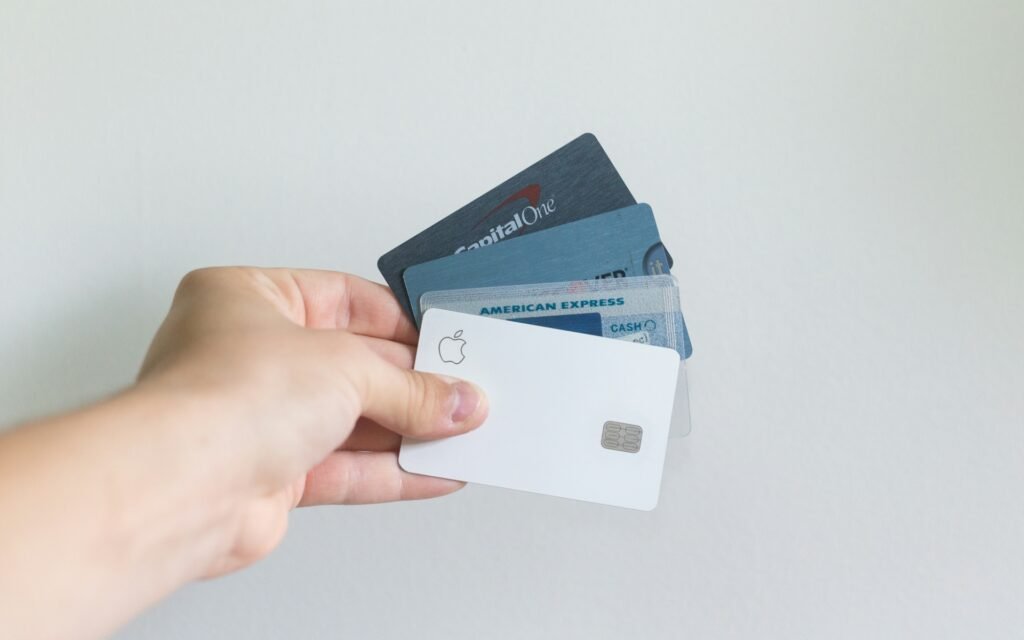
LawnStarter, Inc. notified the Vermont Attorney General in August 2026 that a data breach exposed customers’ financial account codes and credit or debit account information. The number of people affected has not been publicly disclosed. Anyone who used LawnStarter should review bank and card statements closely and consider placing a fraud alert or credit freeze right away.
| Company | LawnStarter, Inc. |
|---|---|
| Industry | Other Commercial |
| Data Types Exposed | Financial Account Codes, Credit and Debit Account Information |
| People Affected | Not Publicly Disclosed |
| Attack Method | Unspecified/Unauthorized Access |
| Regulators Notified | Vermont Attorney General |
Were you affected by this breach?
You may be owed compensation.
Data breach victims can recover money for identity-theft losses, out-of-pocket costs, wasted time, and the ongoing risk of fraud — usually with no upfront cost, and no fee unless you win.
Check if you qualify — free reviewWhat Happened in the LawnStarter Data Breach?
LawnStarter, Inc. recently confirmed a data breach involving sensitive financial information tied to its customers. The company filed a formal notification describing the incident to the Vermont Attorney General in August 2026. This filing is the primary public source confirming that the breach occurred and that specific data categories were involved.
According to the notification, the exposed information included financial account codes along with credit and debit account details. As a result, anyone whose payment information was stored or processed by LawnStarter could be at risk. The exact method attackers used to gain access has not been publicly disclosed. However, the fact that financial account codes were involved suggests the intrusion reached systems that store or transmit payment-related data.
The precise date the breach was discovered has not been made public. Because LawnStarter chose to file a notification with a state regulator, this indicates the company completed some level of internal investigation before notifying affected parties. In many similar cases, companies bring in forensic security teams to determine the scope of unauthorized access. Whether that happened here has not been confirmed in available records.
Additionally, no public statement has clarified whether the incident involved ransomware, a hacking intrusion, or another form of unauthorized access. What is confirmed is that financial data was exposed. This distinction matters because it moves the incident beyond a simple technical glitch and into the realm of a genuine data security event with real consequences for consumers.
Who was affected?
The individuals affected by this breach appear to be LawnStarter customers whose payment information was stored in company systems. Because LawnStarter operates as a service connecting customers with lawn care providers, the affected population likely includes everyday consumers across multiple states who used the platform to pay for services.
The exact number of people affected has not been publicly disclosed. Therefore, it remains unclear whether this incident affected a small subset of customers or a much larger share of LawnStarter’s user base. In addition, there is no public information indicating whether employees, contractors, or only customers were involved. Anyone who has used LawnStarter’s platform for payment should treat this notification seriously, since financial account exposure can affect people regardless of how recently they used the service.
What Information Was Potentially Exposed?
The notification filed with regulators specifically names two categories of exposed data. Both categories relate directly to consumers’ financial identities. Because financial data is involved, this breach carries a heightened risk compared to breaches limited to names or contact details alone.
- Financial Account Codes
- Credit and Debit Account Information
These categories suggest that whoever accessed LawnStarter’s systems could see details tied directly to how customers pay for services. Financial account codes can include routing numbers or internal identifiers tied to bank or payment accounts. Credit and debit account information often includes card numbers or related transaction data that criminals can use to attempt fraudulent charges.
Given this combination, affected individuals face a real risk of unauthorized transactions. Criminals who obtain card or account details often attempt small test purchases first. As a result, victims may not notice suspicious activity right away unless they review statements closely. This makes ongoing monitoring especially important in the weeks and months following notification.
Beyond direct financial fraud, exposed account information can also be combined with other stolen data to build a fuller profile of a victim. For example, fraudsters sometimes pair financial details with phishing emails designed to trick victims into revealing even more information. Because of this, affected individuals should remain cautious about unexpected emails, calls, or texts referencing their LawnStarter account or recent transactions.
What is the company doing?
In response to the breach, LawnStarter filed official notification paperwork describing the incident to state regulators. This step is a required part of breach response under most state data breach laws. By filing with a regulator, the company acknowledged that financial account data had been exposed and needed formal disclosure.
LawnStarter also filed formal notification with the Vermont Attorney General, as required under state breach notification rules. This filing serves as the confirmed public record of the incident. Beyond this regulatory filing, the company has not publicly detailed additional remediation steps, such as system upgrades or specific security enhancements, in currently available records.
It is common for companies handling breaches like this to offer credit monitoring or identity protection services to affected individuals. However, no specific protective service offering has been confirmed in public filings related to this incident. Affected individuals should watch for direct communication from LawnStarter regarding any protective measures, since companies typically notify impacted customers directly with further instructions.
What Should Affected Individuals Do?
Monitor Your Credit Reports Closely
Because financial account information was exposed, affected individuals should check their credit reports regularly. This means reviewing reports from all three major credit bureaus, not just one. Doing so helps catch new accounts or inquiries that were not authorized.
You can request a free credit report weekly through AnnualCreditReport.com. In addition, consider setting up ongoing monitoring through a credit bureau or a third-party service. This way, any unusual activity tied to your identity can be spotted quickly, giving you time to respond before damage grows.
Consider a Fraud Alert or Credit Freeze
Since credit and debit account information was involved, placing a fraud alert on your credit file is a smart precaution. A fraud alert requires lenders to take extra steps to verify your identity before approving new credit in your name. This can slow down or stop identity thieves attempting to open accounts using your information.
For stronger protection, you might also consider a credit freeze. A freeze restricts access to your credit file entirely, making it much harder for anyone to open new credit accounts in your name. Although a freeze requires you to lift it temporarily when you need new credit yourself, it offers one of the strongest defenses available to consumers.
Watch Your Bank and Card Statements
Because this breach specifically involved financial account and card details, reviewing your bank and credit card statements is essential. Look for any charges you do not recognize, even small ones. Fraudsters often test stolen card information with tiny purchases before attempting larger fraudulent transactions.
If you notice anything suspicious, contact your bank or card issuer immediately. Most financial institutions have fraud departments that can freeze a card, reverse unauthorized charges, or issue a new card number. Acting quickly reduces the chances that fraudulent charges will cause lasting financial harm.
Stay Alert to Phishing Attempts
Following a breach involving financial data, scammers often send phishing emails or texts pretending to be from the breached company or your bank. These messages may ask you to confirm account details or click a link to “verify” your information. Because of this, treat unexpected messages referencing LawnStarter or your payment accounts with suspicion.
Instead of clicking links in unsolicited messages, go directly to the official website or call the company using a verified phone number. This simple habit can prevent you from accidentally handing over more information to scammers who are trying to exploit the breach. When in doubt, do not respond directly to the message itself.
Know Your Legal Options
If you were affected by this breach, you may have legal rights depending on your state’s data breach laws. Many affected individuals choose to consult a data breach attorney for a free case evaluation to understand what compensation, if any, might be available. This is especially relevant when financial account information has been exposed, since the potential for real monetary harm is higher.
Consulting an attorney costs nothing in most initial consultations, and it can clarify whether you qualify to join a class action or file an individual claim. Because deadlines for legal claims vary by state, seeking guidance sooner rather than later is generally the safer approach for protecting your rights.
Get a Free Case Review
Tell us how this breach affected you. A data breach attorney will review your situation at no cost and with no obligation — it takes about two minutes.
More Information
View the public data breach notification listing from Vermont Attorney General