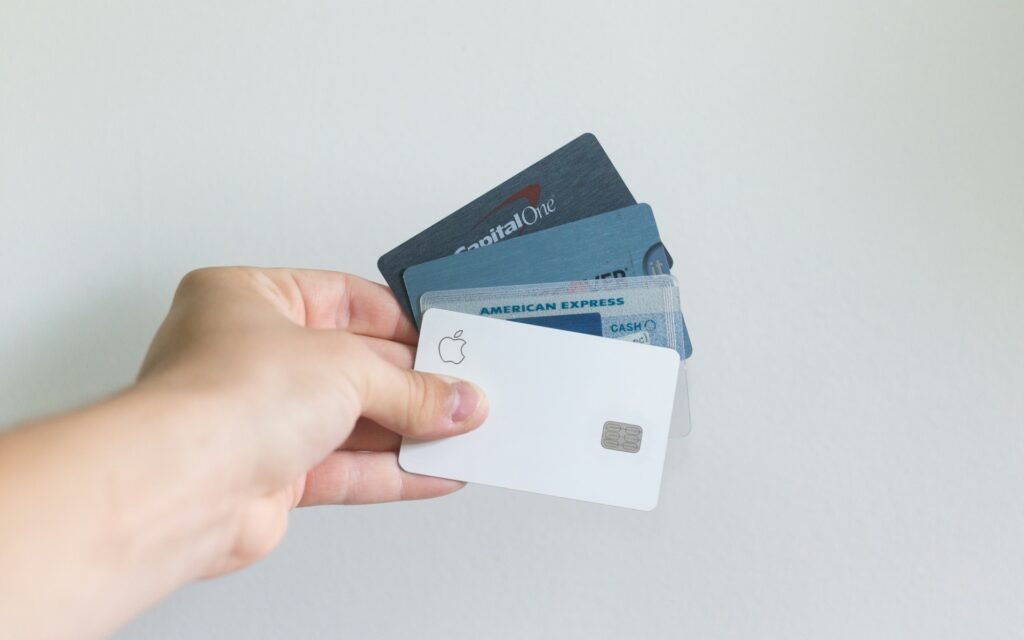
C2M LLC, doing business as Click2Mail, disclosed a data breach involving financial account codes and credit and debit account information. The company notified the Vermont Attorney General in September 2026. Affected individuals should monitor bank and card statements closely and consider placing a fraud alert or credit freeze right away.
| Company | C2M LLC d/b/a Click2Mail |
|---|---|
| Industry | Other Commercial |
| Data Types Exposed | Financial Account Codes, Credit and Debit Account Information |
| People Affected | Not Publicly Disclosed |
| Attack Method | Unspecified/Unauthorized Access |
| Regulators Notified | Vermont Attorney General |
Were you affected by this breach?
You may be owed compensation.
Data breach victims can recover money for identity-theft losses, out-of-pocket costs, wasted time, and the ongoing risk of fraud — usually with no upfront cost, and no fee unless you win.
Check if you qualify — free reviewWhat Happened in the Click2Mail Data Breach?
C2M LLC, doing business as Click2Mail, recently disclosed a data breach affecting people whose financial information was stored or processed through its services. The company filed a formal notification with the Vermont Attorney General in September 2026. This filing confirmed that unauthorized parties gained access to sensitive financial data tied to customer accounts.
The exact discovery date has not been publicly disclosed. However, the notification to Vermont officials came in September 2026, which suggests the company had already completed at least an initial review of the incident by that point. As a result, affected individuals are now being notified so they can take steps to protect themselves.
Details about the specific method attackers used to breach Click2Mail’s systems have not been made public. In addition, the company has not released a full timeline describing when unauthorized access began or how long it continued. Because of this, much of what is known comes directly from the regulatory filing itself.
Following discovery, Click2Mail presumably launched an internal investigation, though specifics of that process are limited in public records. Companies in this situation typically work with forensic experts to determine the scope of access and confirm which records were involved. This appears consistent with how the Click2Mail data breach was ultimately reported to regulators.
Who was affected?
The breach may affect customers who used Click2Mail’s mailing and printing services and had financial account information stored on file. Because Click2Mail provides business mailing solutions, affected individuals could include both consumers and small business owners who relied on the platform for invoicing or payment processing.
The exact number of people affected has not been publicly disclosed. Therefore, it remains unclear how widespread this incident is. What is confirmed, however, is that the breach involves financial account codes along with credit and debit account information, which suggests a meaningful subset of customers had payment-related data exposed.
It is not yet known whether the breach affected customers nationwide or only within specific states. Similarly, there is no public confirmation regarding whether minors were among those affected. Individuals who used Click2Mail’s services for personal or business mailing needs should consider themselves potentially at risk until more information becomes available.
What Information Was Potentially Exposed?
According to the confirmed regulatory filing, the breach involved specific categories of financial data. This type of information can be particularly valuable to cybercriminals because it directly relates to how payments and financial accounts function.
- Financial Account Codes
- Credit and Debit Account Information
Because this breach involves payment-related data, affected individuals face a real risk of financial fraud. Criminals who obtain financial account codes or card details can attempt unauthorized purchases. They may also try to open new lines of credit using stolen account information.
Beyond direct financial fraud, exposed account data can also be combined with other leaked information from unrelated breaches. This tactic, often called data aggregation, allows criminals to build detailed profiles of victims. As a result, even a breach limited to financial account details can contribute to broader identity theft risks down the line.
What is the company doing?
In response to the breach, Click2Mail notified affected individuals and filed the required disclosure with state regulators. This step ensures that impacted consumers receive formal notice as required under state breach notification laws.
Click2Mail also filed formal notification with the Vermont Attorney General. This filing is part of the company’s legal obligation to report breaches involving residents’ personal financial information.
Beyond the initial notification, it is likely that Click2Mail has taken steps to secure its systems against further unauthorized access. However, specific remediation measures, such as system upgrades or enhanced monitoring, have not been publicly detailed. Affected individuals should watch for direct communication from the company regarding any protective services offered.
What Should Affected Individuals Do?
Monitor Your Credit Reports
Affected individuals should check their credit reports regularly for signs of unauthorized activity. This includes new accounts opened without permission or unfamiliar credit inquiries.
You can request free credit reports from all three major bureaus through AnnualCreditReport.com. Because early detection makes fraud easier to resolve, reviewing your reports every few months is a smart habit going forward.
Consider a Fraud Alert or Credit Freeze
Since this breach involved financial account codes and payment card information, placing a fraud alert or credit freeze is a strong protective step. A fraud alert requires creditors to verify your identity before opening new credit in your name.
A credit freeze goes further by restricting access to your credit file entirely. As a result, most lenders cannot open new accounts until you lift the freeze. This step is free and can be requested directly through each credit bureau.
Watch for Phishing Attempts
After a breach like this, scammers often send fake emails or texts pretending to be the breached company. These messages may ask you to confirm account details or click suspicious links.
Because attackers know victims are anxious after a breach, phishing attempts often spike shortly after notifications go out. Avoid clicking links in unexpected messages, and instead visit official websites directly to verify any account concerns.
Review Bank and Card Statements Closely
Given that credit and debit account information was involved, reviewing your bank and card statements is essential. Look for any charges you do not recognize, even small ones, since fraudsters sometimes test stolen card details with minor purchases first.
If you notice suspicious activity, contact your bank or card issuer immediately. Most financial institutions offer zero-liability protection for unauthorized transactions, but prompt reporting improves your chances of a full resolution.
Consult a Data Breach Attorney
If you received a notification letter about this incident, you may want to speak with a data breach attorney. An attorney can help you understand whether you qualify for compensation through a class action or individual claim.
Many attorneys offer free case evaluations for breach victims. This means you can explore your legal options without upfront cost, which is especially useful given the uncertainty many people feel after receiving a breach notice.
Get a Free Case Review
Tell us how this breach affected you. A data breach attorney will review your situation at no cost and with no obligation — it takes about two minutes.
More Information
View the public data breach notification listing from Vermont Attorney General