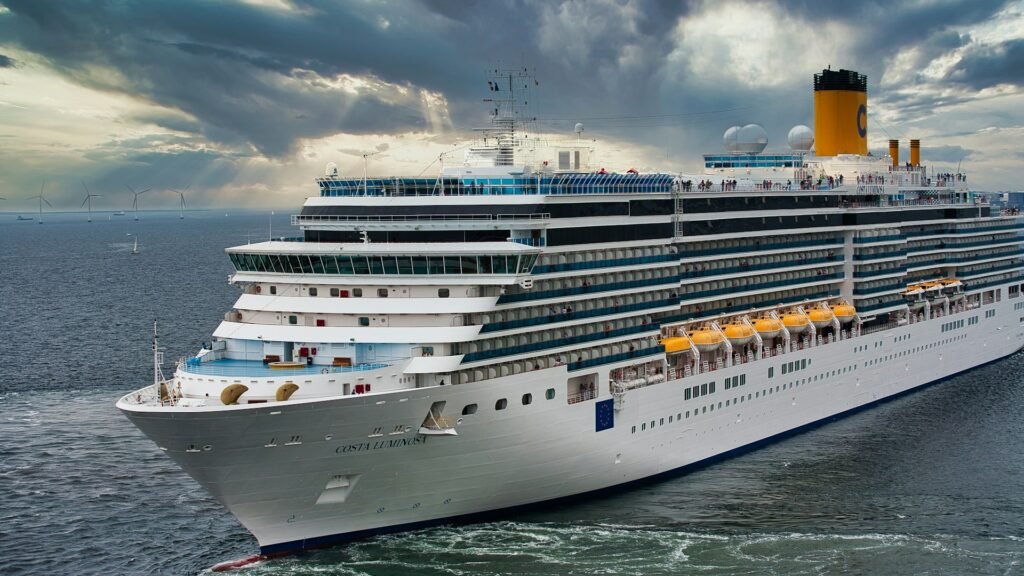
In April 2026, hacking group stole and publicly leaked 8.7 million records, including 7.5 million unique email addresses, from Carnival's Holland America Mariner Society loyalty program, after Carnival refused an extortion demand. Carnival attributed the incident to a phishing attack on one employee account, though the leaked data's authenticity confirms real unauthorized access occurred. Affected Mariner Society members, likely longtime Holland America customers, should immediately watch for phishing emails and avoid clicking suspicious links referencing their loyalty accounts.
| Company | Carnival |
|---|---|
| Industry | Retail |
| Data Types Exposed | Names, Dates of birth, Genders, Salutations, Email addresses, Geographic locations, Loyalty program details |
| People Affected | Not Publicly Disclosed |
| Attack Method | Phishing |
| Regulators Notified | Not Publicly Disclosed |
Were you affected by this breach?
You may be owed compensation.
Data breach victims can recover money for identity-theft losses, out-of-pocket costs, wasted time, and the ongoing risk of fraud — usually with no upfront cost, and no fee unless you win.
Check if you qualify — free reviewWhat Happened in the Carnival Data Breach?
In April 2026, a hacking group claimed it had stolen a large volume of data from Carnival, the parent company of Holland America. The group first tried to extort Carnival, threatening to leak the data unless a payment was made. However, Carnival apparently did not meet the group’s demands.
As a result, the group published the stolen data publicly about a week later. The leaked dataset contained 8.7 million records, including 7.5 million unique email addresses. Fields within the data pointed to the Mariner Society, the loyalty program operated by Holland America, a cruise line brand owned by Carnival.
Carnival acknowledged the incident but described it differently than the hackers did. The company said it had identified a phishing attack that compromised a single employee account. Carnival stated it was still working to determine the full scope of the unauthorized activity linked to that account.
Because the hackers’ claims and the company’s statement differ in scale, the exact chain of events remains somewhat unclear. What is confirmed, though, is that the data the group published matches real loyalty program information. This confirms that at least some unauthorized access to Carnival-related systems did occur.
Who was affected?
The breach appears to primarily affect members of the Mariner Society loyalty program run by Holland America. This program rewards repeat cruise passengers, so those affected are likely past or current Holland America customers. Many of these individuals may have been loyal, long-term cruise travelers.
The leaked dataset includes 8.7 million records and 7.5 million unique email addresses. Carnival has not publicly confirmed a separate victim count of its own. Therefore, the number of individuals affected has not been publicly disclosed by the company itself.
Given the nature of loyalty programs, affected individuals could span a wide age range. Because dates of birth were included in the leaked data, some individuals may be seniors, a group frequently targeted for identity theft and financial scams. The breach does not appear to involve targeted data from minors specifically.
What Information Was Potentially Exposed?
The data published by the group contained several categories of personal information tied to Mariner Society members. This information could be used to build convincing phishing messages or attempts at identity theft. Below is a summary of what was included.
- Names
- Dates of birth
- Genders
- Salutations
- Email addresses
- Geographic locations
- Loyalty program details
Although this breach did not include financial account numbers or Social Security numbers, the exposed information still carries real risk. For example, combining a full name, date of birth, and email address gives scammers enough detail to craft highly convincing phishing emails. This is especially true when messages reference specific loyalty program status or cruise history, since that detail adds a false sense of legitimacy.
In addition, exposed personal details can be used in social engineering attacks that target other accounts. As a result, affected individuals could see attempts to trick them into revealing passwords or payment information. Because email addresses and geographic locations were also exposed, targeted spam and scam campaigns are a realistic concern going forward.
What is the company doing?
Carnival has acknowledged the phishing incident and confirmed that a single employee account was compromised. The company stated it is actively investigating to better understand how the unauthorized activity occurred. In response, Carnival is working to determine the true scope of what data was accessed.
Beyond the initial acknowledgment, Carnival has not publicly detailed additional remediation steps, such as credit monitoring offers or specific notification timelines. Because the investigation is still ongoing, more information may become available as Carnival continues to assess the incident. Affected individuals should watch for official communications directly from Carnival or Holland America.
What Should Affected Individuals Do?
Monitor Your Credit Reports
Even though this breach did not appear to expose Social Security numbers or financial account details, it’s still wise to check your credit reports regularly. You can request free copies from each of the three major credit bureaus. Reviewing these reports helps you catch unfamiliar accounts or inquiries early.
Because exposed personal details can sometimes be combined with other leaked data from separate breaches, monitoring adds an extra layer of protection. If you notice anything suspicious, report it immediately to the credit bureau involved. Acting quickly can limit the damage from any fraudulent activity.
Watch for Phishing and Scam Attempts
Since email addresses, names, and loyalty program details were exposed, affected individuals should be especially alert to phishing emails. Scammers often use real personal details to make fraudulent messages appear legitimate. For example, an email referencing your actual Mariner Society status could seem trustworthy at first glance.
To protect yourself, avoid clicking links or downloading attachments from unexpected emails, even if they look like they come from Carnival or Holland America. Instead, visit the official website directly by typing the address into your browser. This simple habit can prevent many phishing attempts from succeeding.
Be Cautious With Personal Information Requests
Because your date of birth and other personal details were exposed, be cautious if someone contacts you asking to verify or confirm this information. Legitimate companies rarely ask customers to confirm sensitive details through unsolicited emails or phone calls. If in doubt, contact the company directly using a verified phone number.
In addition, consider adjusting privacy settings on any linked loyalty or travel accounts. This reduces how much additional personal information is visible or connected to your profile. Taking this step now can help limit further exposure if additional data is later discovered to be compromised.
Consider Consulting a Data Breach Attorney
If you believe your information was included in this breach, it may be worth speaking with a data breach attorney for a free case evaluation. An attorney can help you understand whether you qualify for compensation or should join a potential class action. This is particularly relevant given the large scale of the leaked dataset.
Because breach litigation often has strict filing deadlines, it’s best not to wait too long before seeking legal advice. A consultation typically costs nothing and can clarify your options quickly. This step can also help you stay informed if a class action lawsuit develops later.
Get a Free Case Review
Tell us how this breach affected you. A data breach attorney will review your situation at no cost and with no obligation — it takes about two minutes.
More Information
Official data breach notification from Washington State Attorney General